
ENTR 3100.
PillWise HK
Our Story
It all started with seeing our grandparents struggle with taking their medications on time and at the proper dosage. Elderly often have to take an overwhelming amount of pills each day, and the process of sorting it out, remembering the proper dosage and the correct time to take it is quite a tedious process, especially if the elderly lives alone. So we thought, how can we make the process of taking medication easier and more efficient?
Meet the Team
-

Hoi Kiu (Hiki) Hui
Co-Founder
-

Victor Nesteruk
Co-Founder
-

Andrew Yoon Su Park
Co-Founder
-
Jin Hui Tan
Co-Founder
-

Jonathan Tian Yu Wang
Co-Founder
-
Ling Bo Zeng
Co-Founder
An Automative Pill sorting System.
Pill Wise
-
Minimal user intervention - users simply dump pills into a single input area. So that you can organize your medications hassle free.
-
PillWise features containers where users input pills that are then automatically sorted into daily dose.
-
Automated Sorting & Dispensing
Pre-sorts pills into sealed, time-labeled compartments for each dose.
Smart Alerts
Audible and visual reminders for each dose to ensure timely medication.
WhatsApp Integration
Sends missed-dose alerts directly to caregivers via the platform they already use.
Refill Management
Automatically tracks pill inventory and alerts when a refill is needed.
Simple Interface
Large buttons, clear display, designed specifically with seniors in mind.

How can we provide caregivers with resources to better understand their loved one's medications?

The Key Problems We Tackle
Medication Errors
Wrong Pills or dosages leading to complications
Automated, pre-sorted doses eliminate human error in sorting and taking pill

Caretaker Burnout
Constant worry about medication adherence
Remote monitoring via WhatsApp gives peace of mind without constant check-in calls
Medication Management Anxiety
Uncertainty causing stress for both patients and families
Automated, pre-sorted Clear, time-based alerts and logs provide
certainty for both the elderly and their families

Complex Medical Regiments
Multiple medicines at different times causing confusion
The system seamlessly manages multiple medications per day, reducing confusion
Running out of medication
Last-minute pharmacy runs and treatment gap
Automated refill alerts prevent last-minute pharmacy
runs and treatment gaps
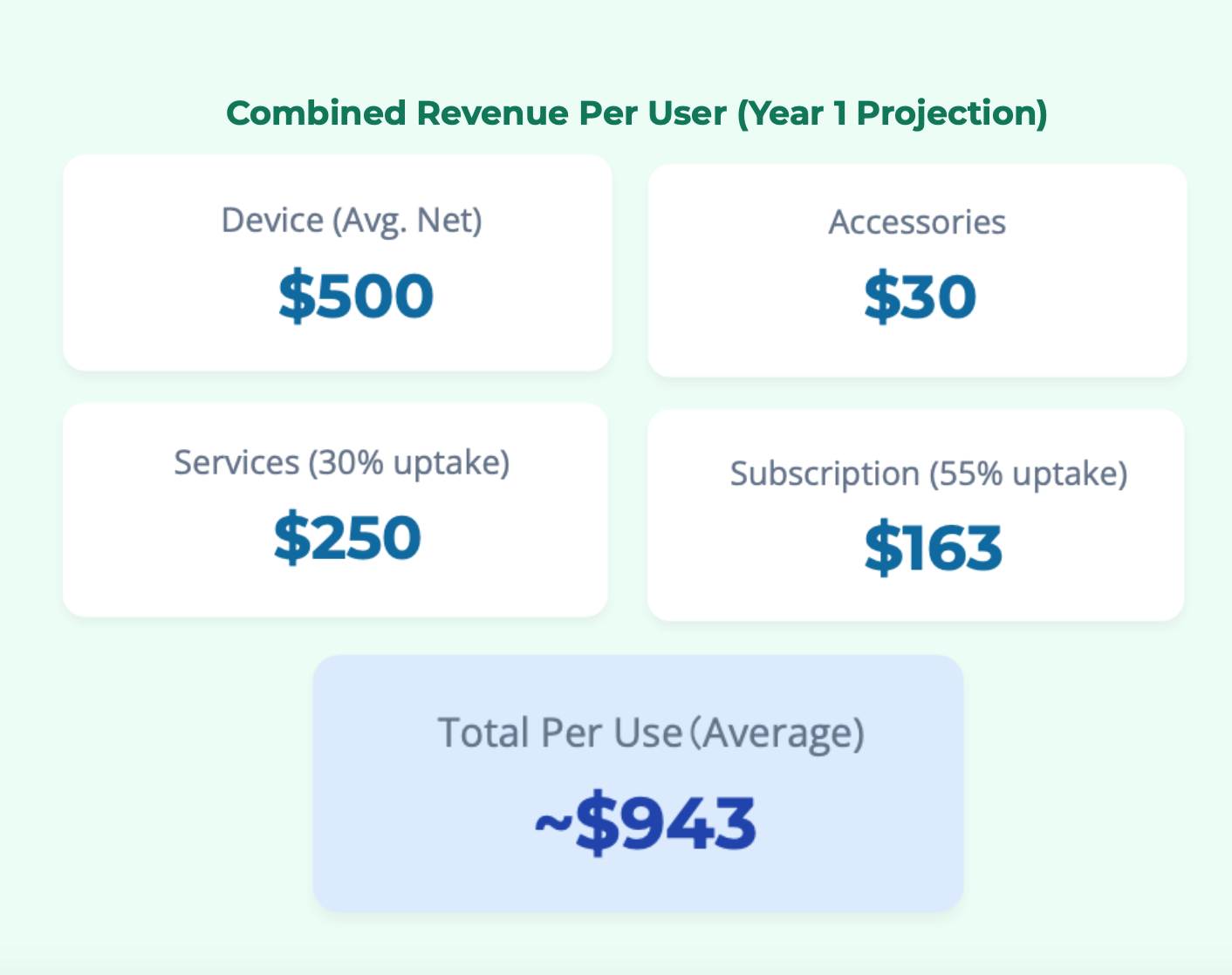
Our Business Model
PillWise HK earns money through four simple, realistic streams that match Hong Kong consumer behavior.
-
Market Validation: HK already has a US$92M drug delivery device
market.We plan to sell three different tiers of products:
Basic: HK$650-780
Standard: HK$880-1050
Premium: HK$1180-1380
-
Demand Driven: 33-48% of elderly patients want daily reminders
We plan to have three tiers of subscriptions:
Free: HK$0 - basic alerts
Essential: HK$28-38/month - WhatsApp alerts & refill alerts
Care+: HK$58-78/month - Family dashboard & full monitoring
-
Solves Real Pains: For the 28% of elderly needing long-term care
Home “Med-reset” Visit: HK$ 350 for professional medication review and setup
White-Glove Setup: HK$150-250 for installation and training service
Monthly Pill Review: HK$30-50 for expert medication interaction check
-
Large Addressable Market: HK's medical device market is US$620M.
Pharmacies - Buy devices wholesale for resale or rental
Employers - Offer devices as part of employee eldercare benefits
NGOs/Government - Bulk purchases for community support programs
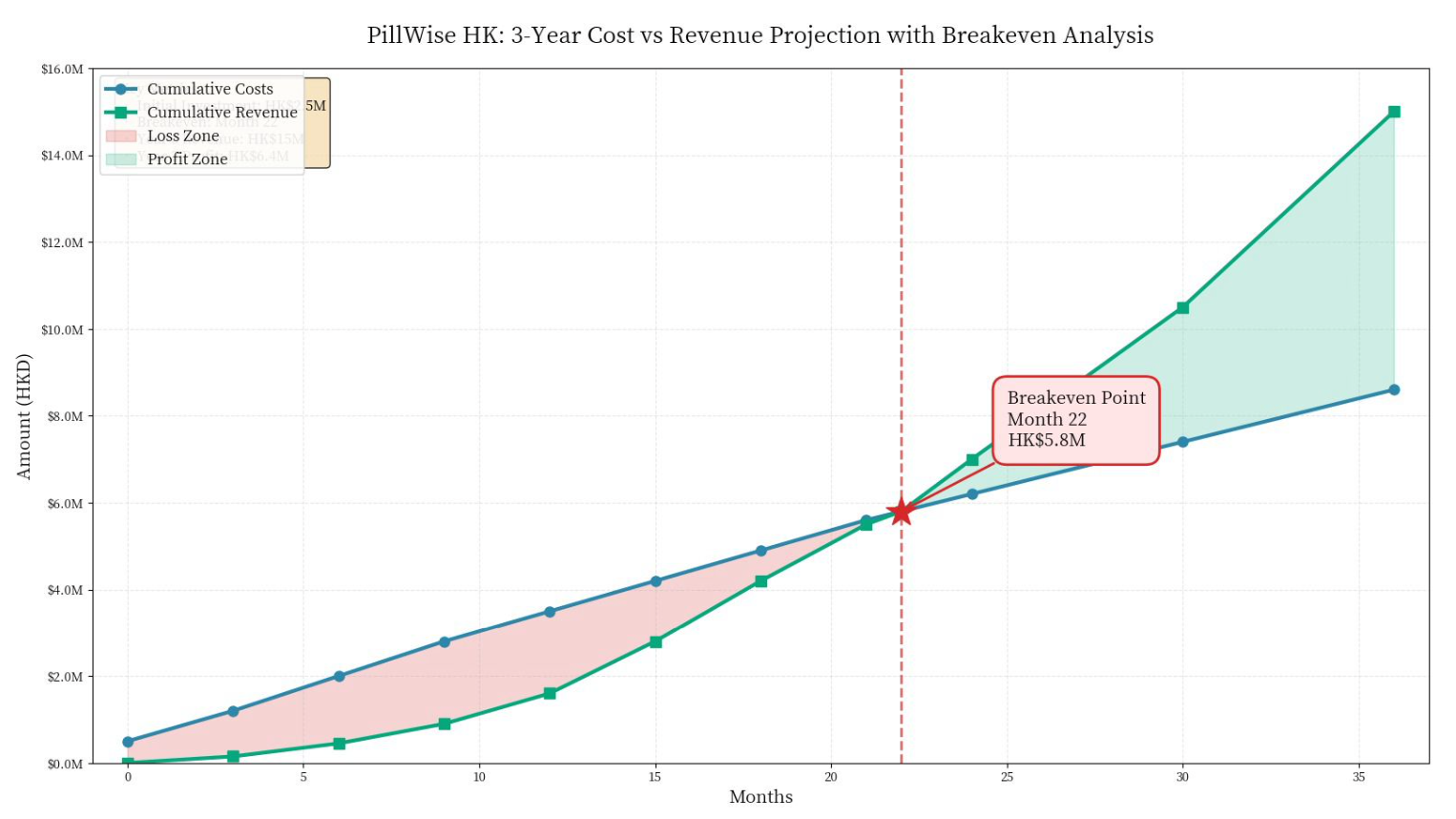
Our Financial Plans & Projections
-
Month 0: Cost HK$0.5M / Revenue HK$0
Month 12: Cost HK$3.5M / Revenue HK$1.6M
Month 22: Breakeven at ~HK$5.8M
Month 36: Cost HK$8.6M / Revenue HK$15M
-
Initial Investment: Covers R&D, manufacturing, and initial marketing
Customer Acquisition Cost: Decreases as brand awareness and partnerships grow
Recurring Revenue: Subscriptions build a stable, predictable income stream
-
PillWise is positioned to capture a significant share of a large and growing market with a sustainable, multi-stream revenue model.
Achieving profitability within the first two years
Implementation Plan & Go-to-Market Strategy
-
Focus
Collaborate with 5-10 private clinics in Hong Kong.
Strategy:
Clinics offer PillWise as an add-on service Doctors prescribe it to patients with complex
medication needs
Patients purchase directly at the clinic or through dedicated link
Build clinical validation and user testimonials
-
Focus:
Expand to retail pharmacies (e.g., Mannings, Watsons) and large employers.
Strategy:
Leverage data and success stories from pilot phase
Pharmacies benefit from increased footfall and accessory sales
Employers offer as corporate wellness benefit for staff with elderly parents
Establish robust distribution and support channels
-
Focus:
Collaborate with 5-10 private clinics in Hong Kong.
Strategy:
Clinics offer PillWise as an add-on service Doctors prescribe it to patients with complex
medication needs
Patients purchase directly at the clinic or through dedicated link
Build clinical validation and user testimonials
Become the standard for home medication management in Hong Kong.
Strategy:
Pursue partnerships with public hospitals and large NGOs
Use first-mover advantage to set industry benchmarks
Leverage large installed user base for continuous improvement
Explore integration with health insurance and public healthcare systems
Our Story Board
-
![]()
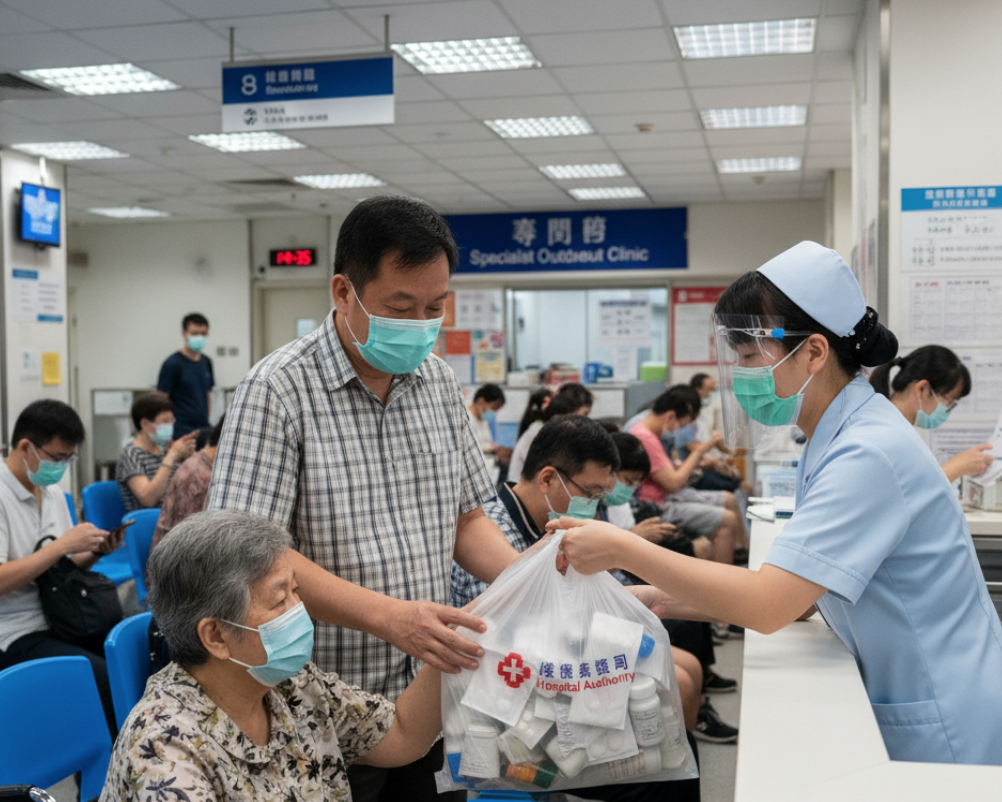
Mrs. Lam visits the Out-Patient Clinic for her regular check-up. The doctor reviews her various health conditions then writes new prescriptions. She leaves with several medicine bags, each with different instructions, she feels overwhelmed.
-
![]()
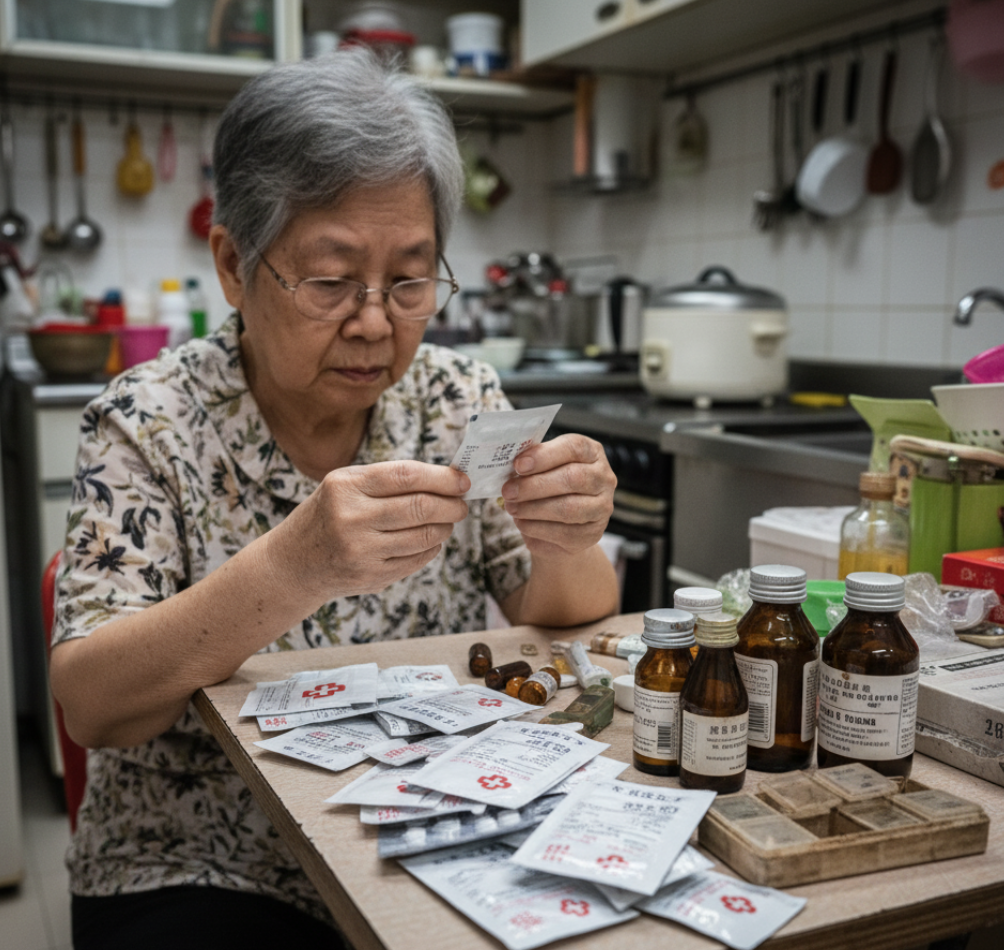
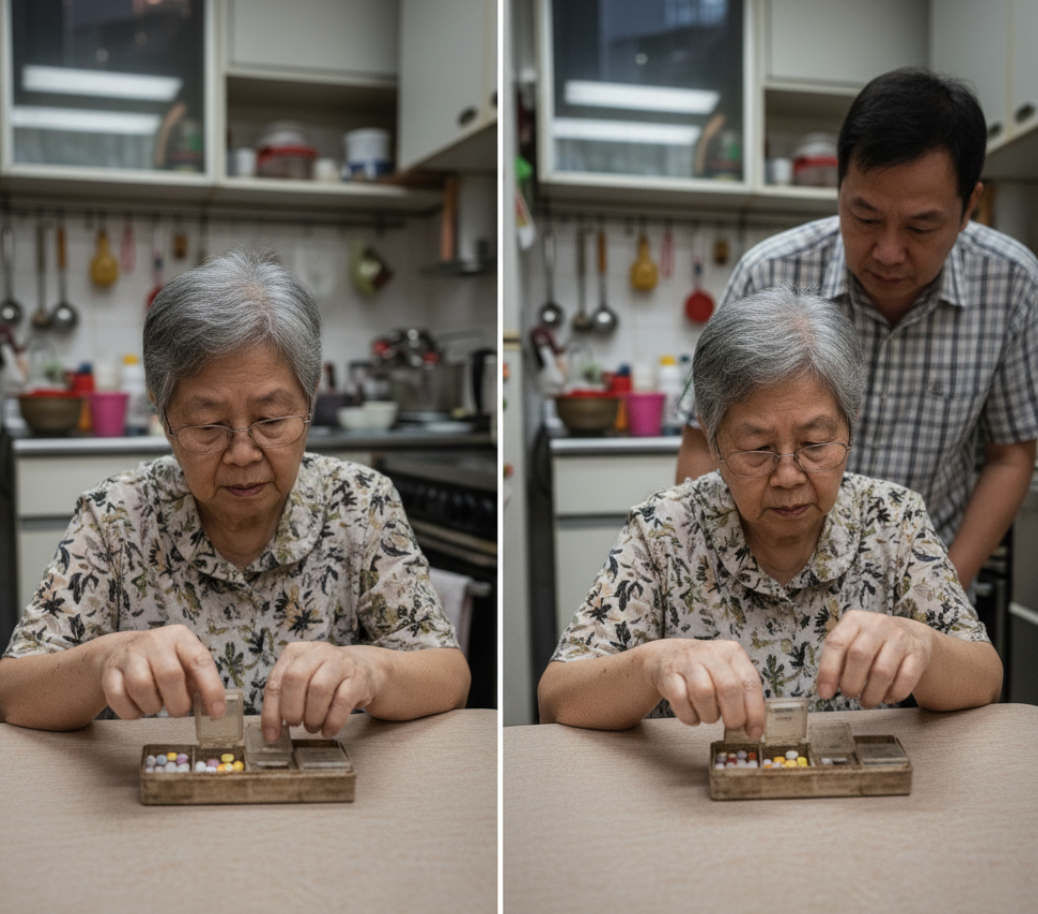
At home, Mrs. Lam's dining table has turned into a medicine station, cluttered with pill bags from the hospital, bottles from her GP, and pharmacy supplements. The tiny labels, printed in a mix of Chinese and English, make it hard for her to read which pills to take and when. With instructions like "after meals" and "twice daily," she can’t remember which is which anymore.
-
![]()
Mrs. Lam sometimes forgets if she took her morning pills or worries she might have taken them twice. When her son, Mr. Chan, sees her confusion, he worries about her taking the wrong dose or missing her heart medication. This anxiety keeps him up at night, but he can't be there to help her all day.
-
![]()
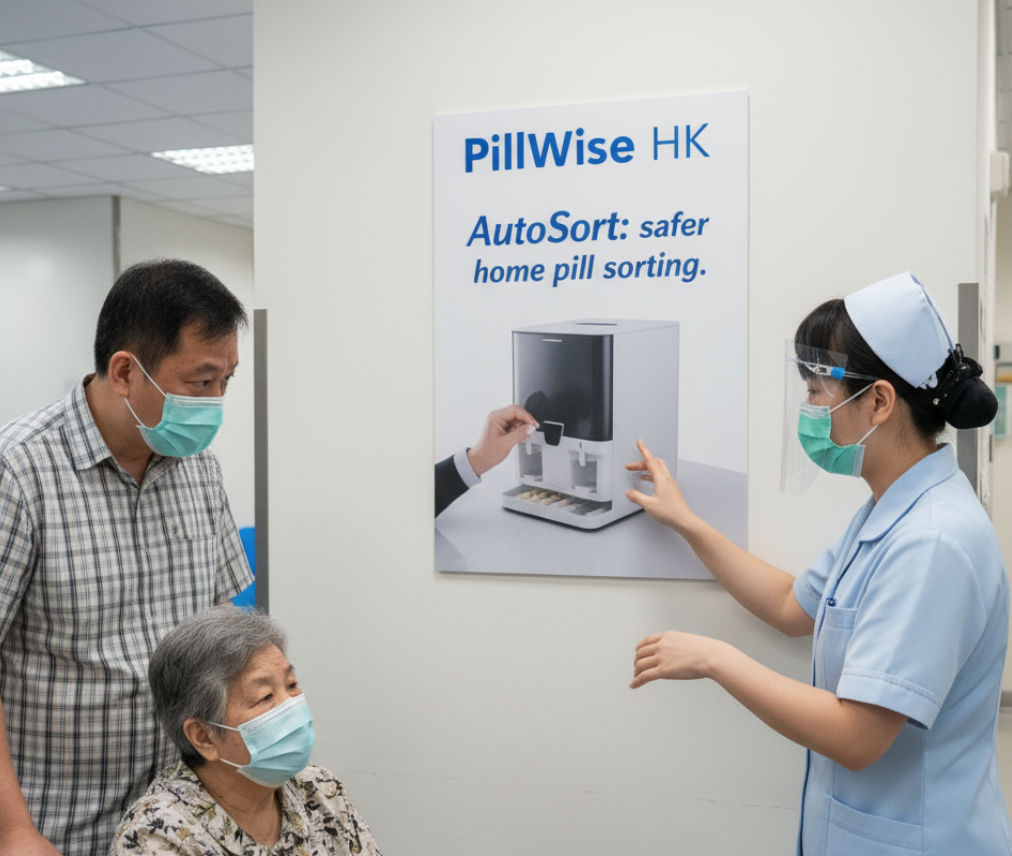
During her next clinic visit, the nurse notices Mrs. Lam's confusion about her medication schedule. After listening to her difficulties, the nurse recommends PillWise HK—AutoSort, a device designed to help organize and remind elderly patients about their medications. She provides Mrs. Lam with an information leaflet to take home.
-
![]()
Mr. Chan orders the PillWise AutoSort device, which arrives within days. They are relieved to find it simple and user-friendly, with a clear design, large buttons, and a bright display. It includes detachable 1-day boxes the size of card holders, and the setup guide is available in English and Chinese, featuring large, clear pictures that Mrs. Lam can easily follow.
-
![]()
Following the instructions, Mr. Chan helps his mother scan each medication label with the device's built-in scanner. They scan Hospital Authority bags, private clinic bottles, and pharmacy supplements. PillWise displays the medication names in both Chinese and English on the large screen, with the dosing schedule clearly shown in big text: "Morning - 8am," "After Lunch - 1pm," "Evening - 7pm." Mrs. Lam can read it without her glasses, and they check each medication together for accuracy.
-
![]()
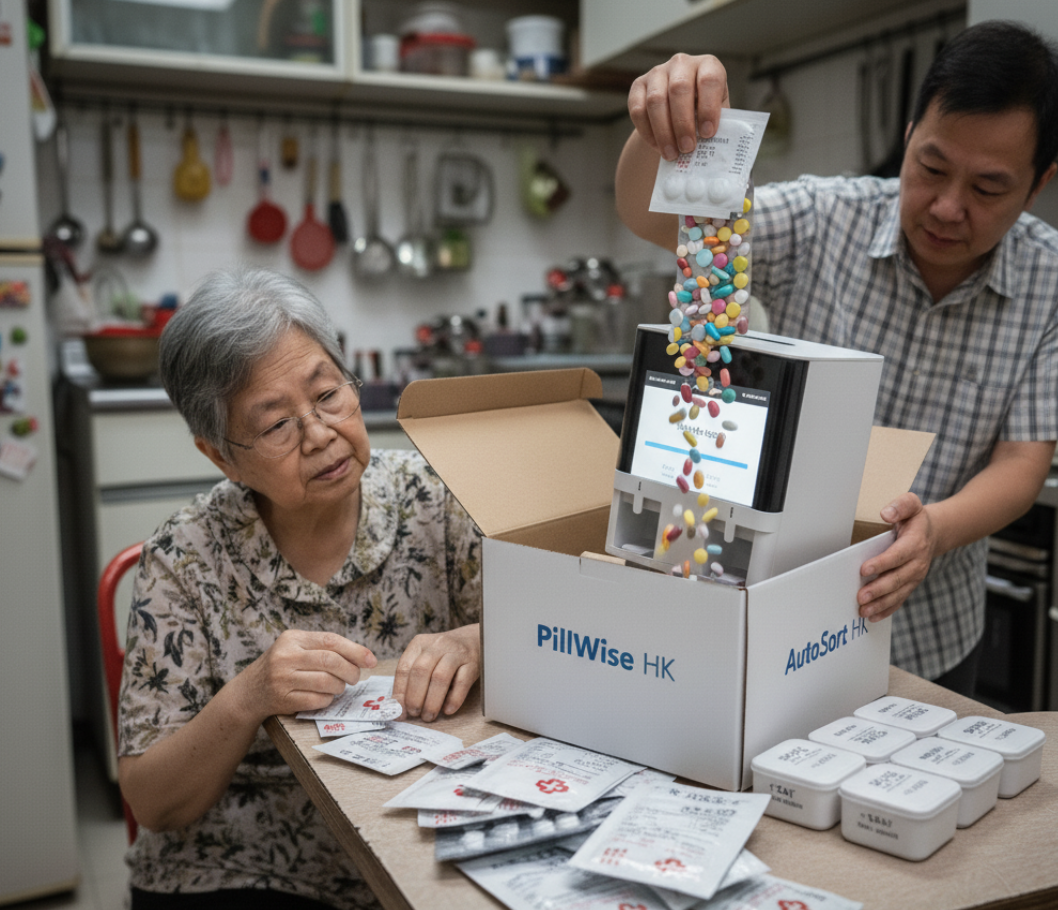
Mr. Chan opens all the medication packages and pours the tablets and capsules into the device's top compartment. There's no need to count or sort, as PillWise uses smart recognition to identify each pill by shape, size, and color. The device automatically calculates how many of each medication Mrs. Lam needs for the next seven days based on her prescription.
-
![]()
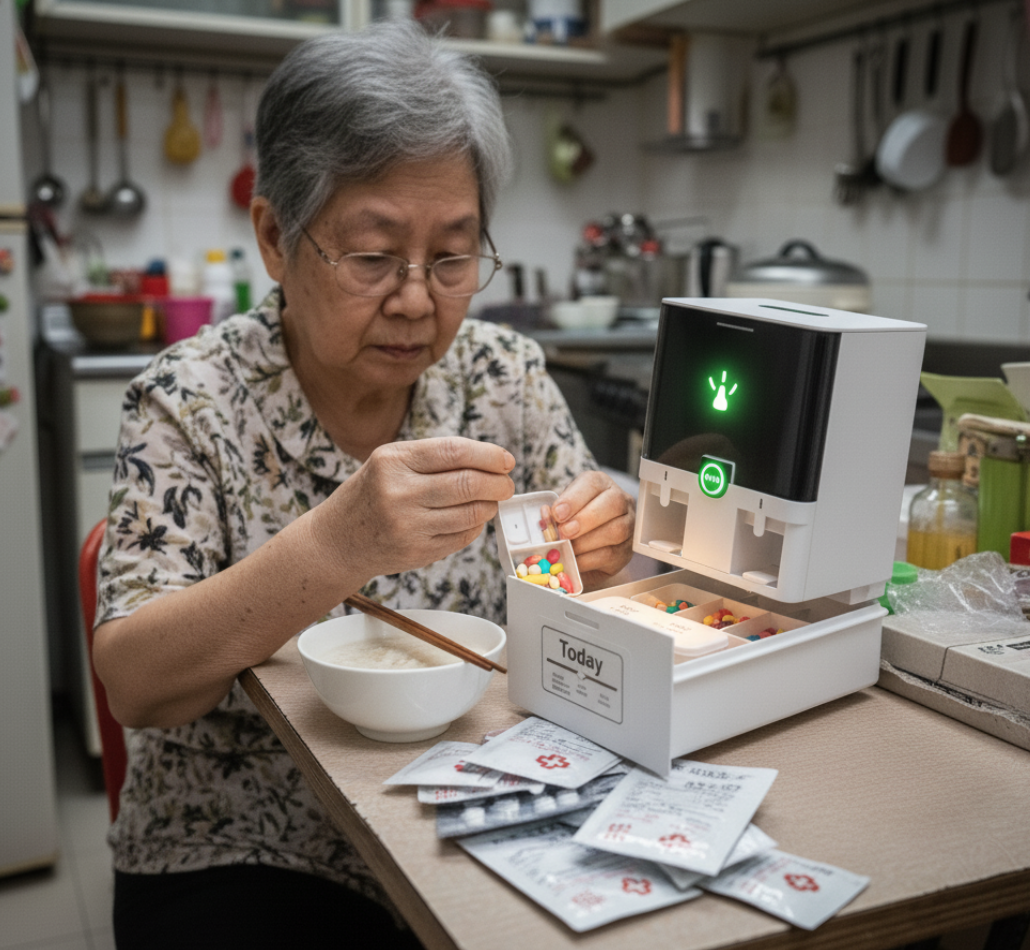
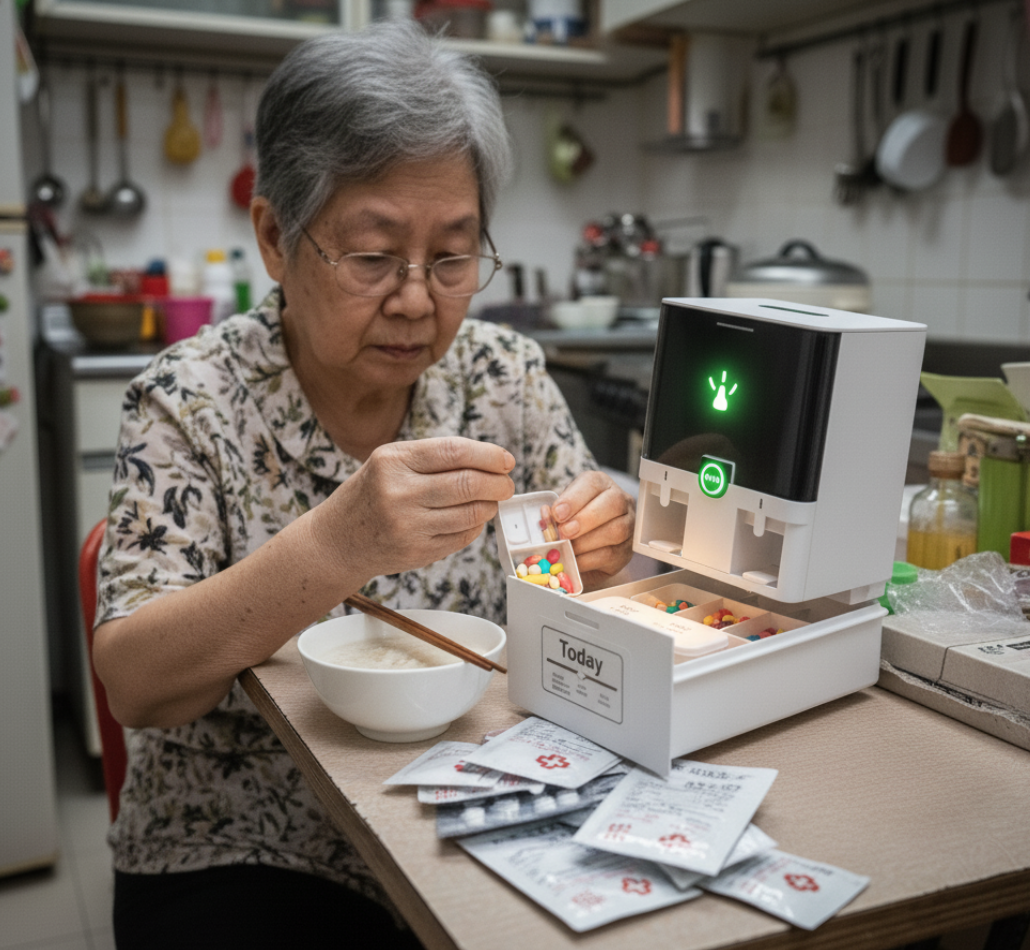
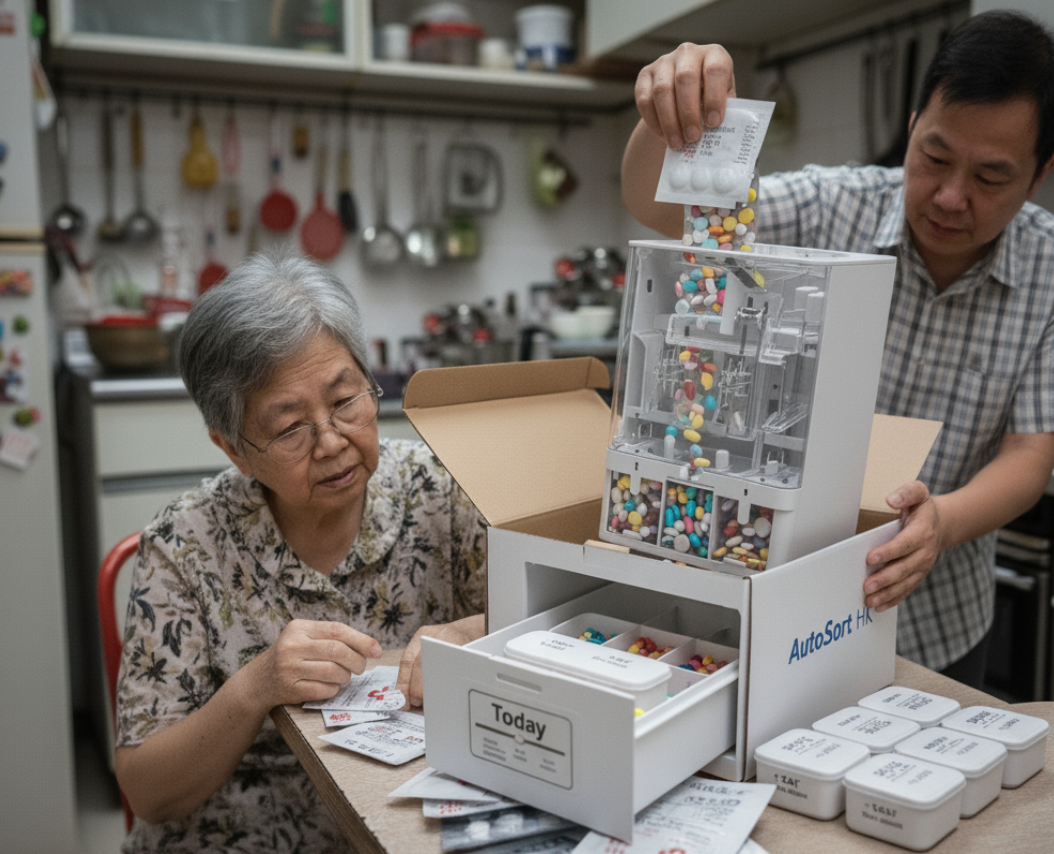
The device finishes sorting, and a green light indicates that PillWise has prepared the first 1-day box with Mrs. Lam's medications organized into compartments for 'Morning,' 'Lunch,' and 'Evening.' Each compartment contains the exact pills needed for those times. The remaining pills are stored in the main device, and six more daily boxes are ready for the week. Everything is organized and ready to use.
-
![]()
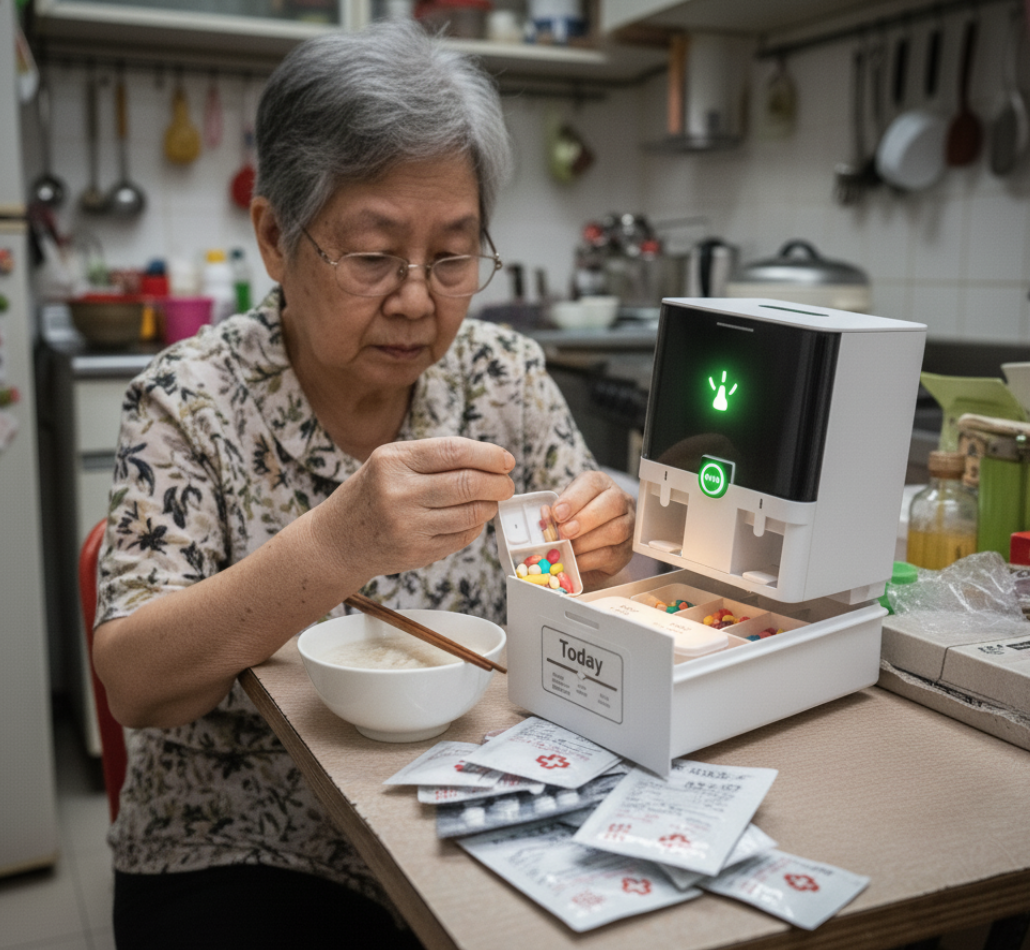
The next morning at 8am, Mrs. Lam is having breakfast when the device gently chimes and lights up. She opens the 1-day box and finds the clearly marked 'Morning' compartment. She takes out one white tablet and two small capsules, swallowing them easily with water. The device displays a checkmark: 'Morning dose complete.' Mrs. Lam smiles, feeling proud to have done it herself.
-
![]()
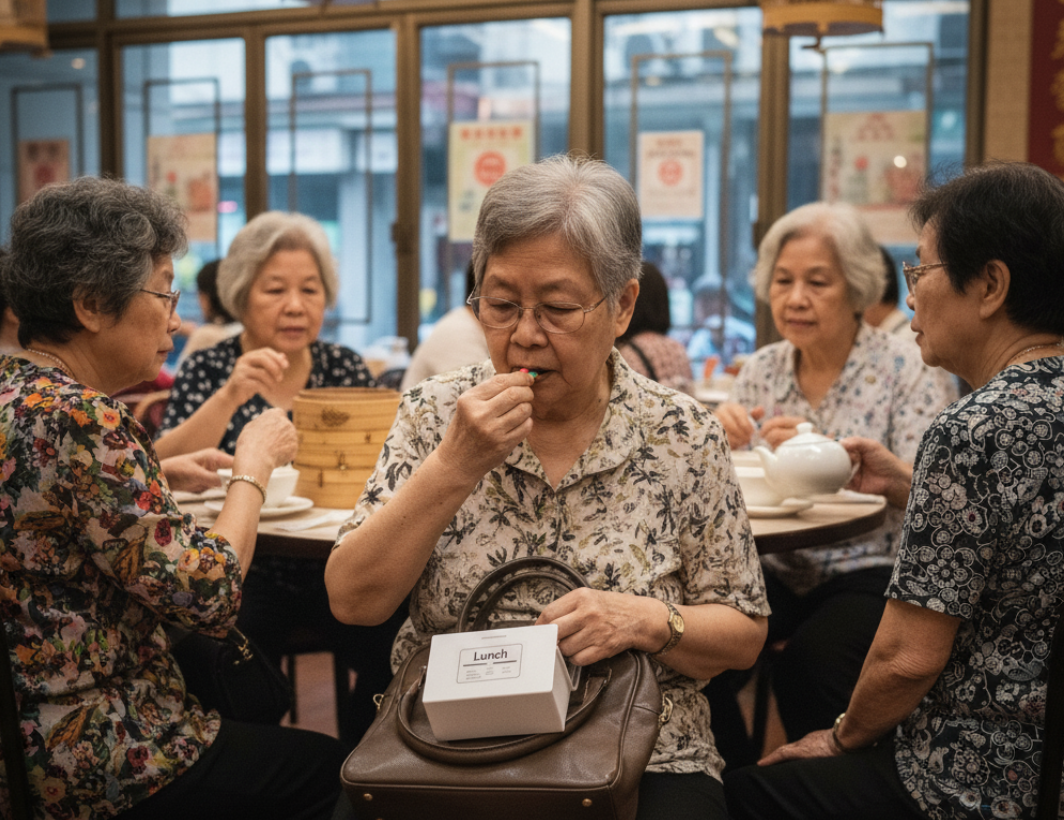
Later that morning, Mrs. Lam prepares to meet her friends for dim sum and exercise. She detaches the small 1-day box from the device and puts it in her handbag—it's slim and lightweight. At lunchtime, she discreetly opens the 'Lunch' compartment to take her medications with her tea. There’s no bulky organizer or embarrassing bottles, and her friends don’t even notice. She feels normal, capable, and free to enjoy her life.
-
![]()
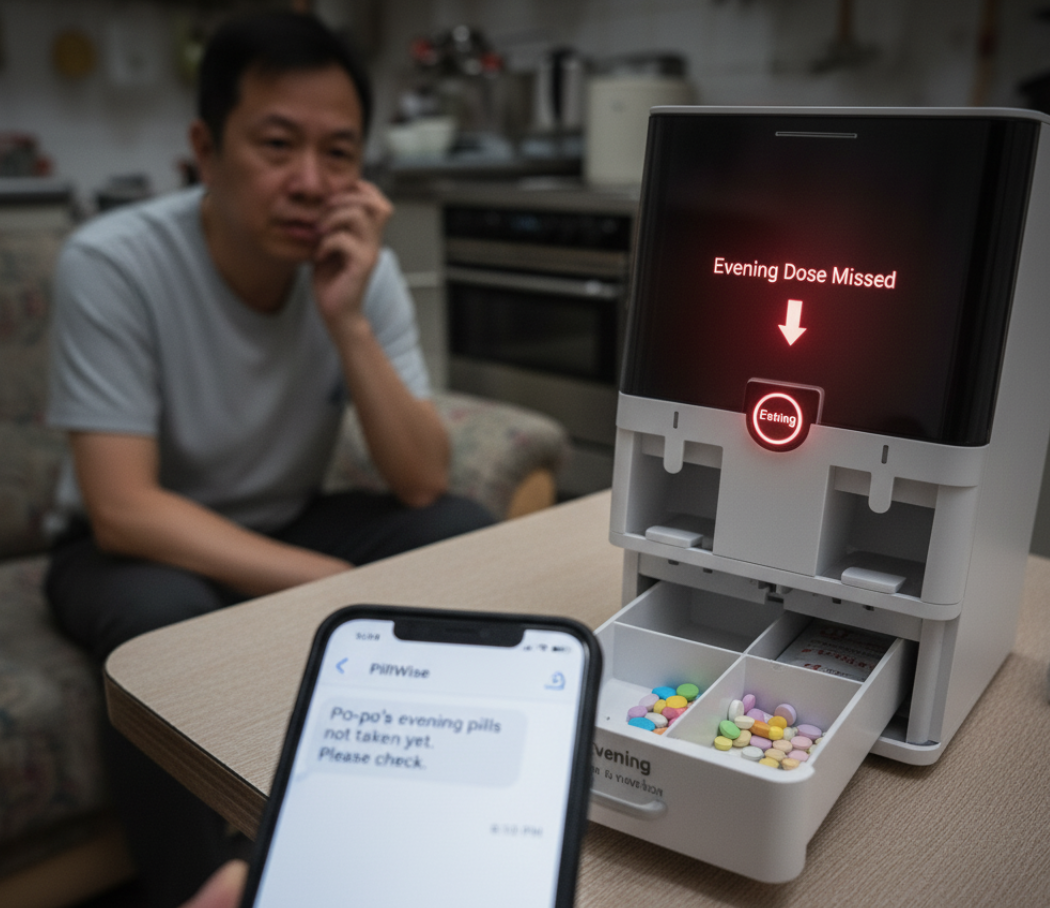
That evening, Mr. Chan receives a WhatsApp notification from PillWise indicating that Mrs. Lam's 7pm medication is 15 minutes overdue. It's a gentle reminder, not an alarm, so he calls his mom. She laughs and says she lost track of time while watching her drama series, and she takes her evening pills as they chat. Mr. Chan feels relieved that he no longer has to nag her daily; the device quietly monitors her and alerts him only when necessary.
-
![]()
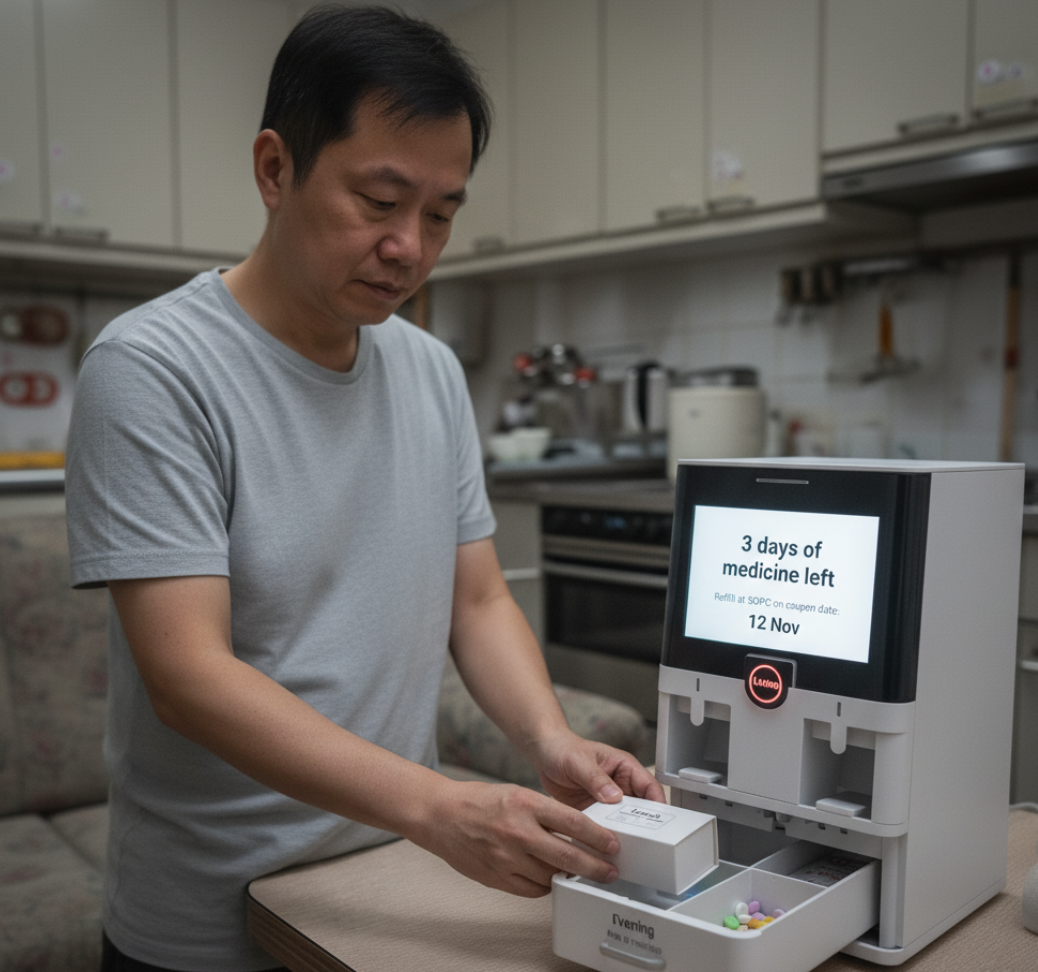
Each evening, Mrs. Lam returns her empty 1-day box to the device, which automatically records that all her medications were taken. Six days later, PillWise displays a message: 'Medication running low. Next refill: 18 March. Please bring your appointment coupon to SOPC.' This reminder gives her three days to plan her clinic visit, eliminating last-minute panic and ensuring she never runs out of critical heart medication over the weekend.
-
![]()
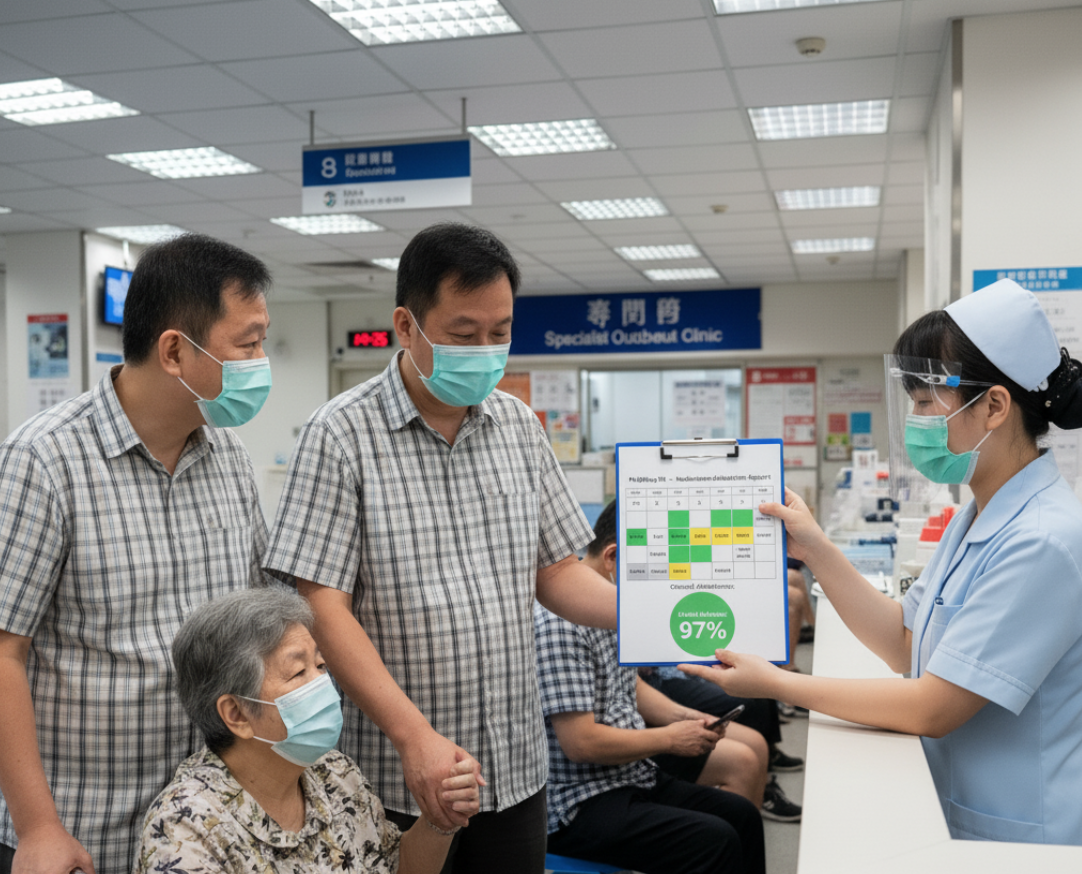
At her next clinic appointment, Mrs. Lam's doctor reviews her blood test results and notes significant improvements in her blood pressure and blood sugar control. He checks the PillWise adherence record on his tablet, which shows she has maintained 97% adherence to her medications. This data allows him to keep her treatment plan as is, and Mrs. Lam feels proud of her health management.
-
![]()
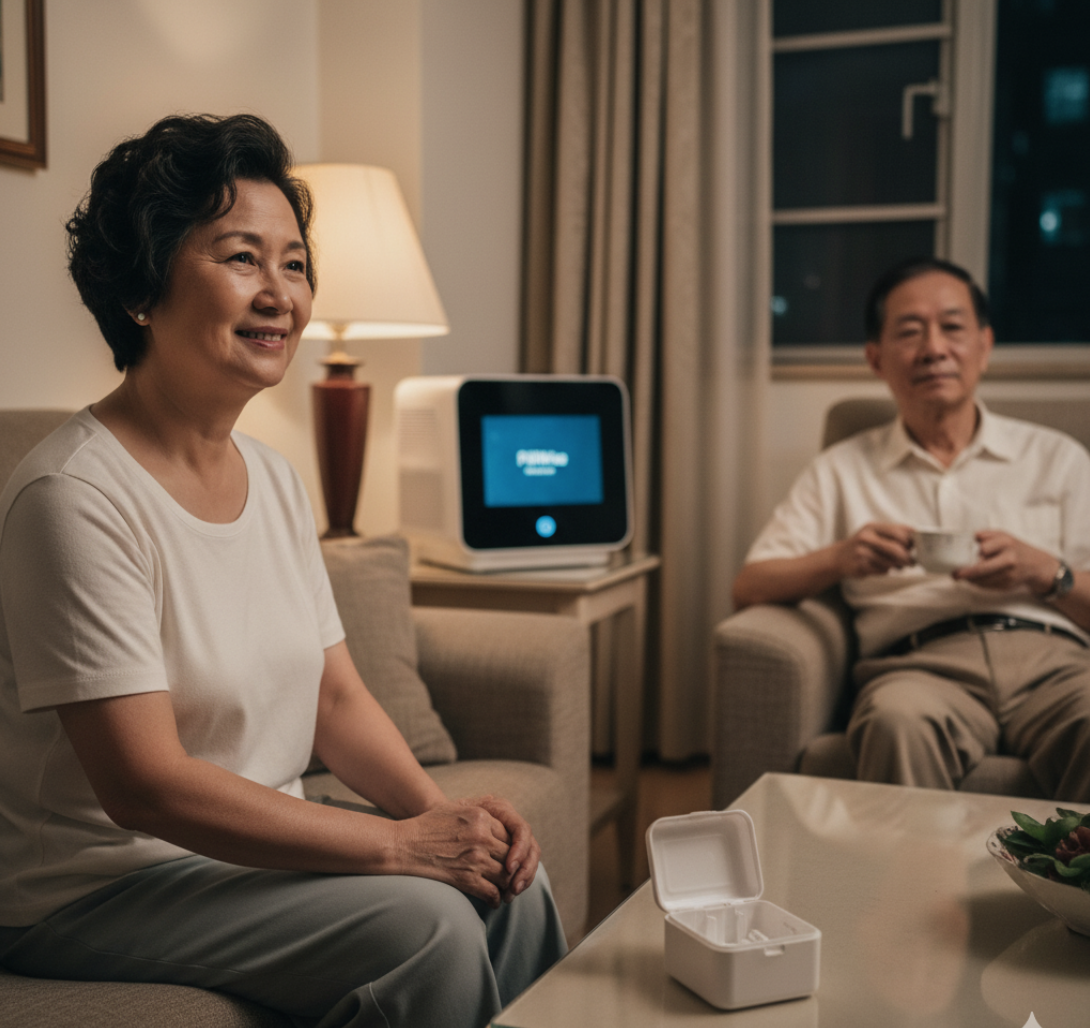
Three months later, managing her medications has become as routine as brushing her teeth. Mrs. Lam no longer feels anxious when the reminder chimes; she manages her health confidently and maintains her independence. Mr. Chan sleeps peacefully, knowing his mother is safe. Mrs. Lam tells her friends, "It’s like having a caring nurse at home, but I’m still in control."

-
We conducted a user testing session with approximately 6-7 participants at a local community center. The participant pool consisted of elderly users (3-4 participants, aged 60s-70s) and their adult children caregivers (2-3 participants). The testing involved presenting a Sora-generated video prototype demonstrating the device usage scenario through the character of Mrs. Lam.
-
Overall, participants demonstrated comprehension of the core concept and expressed positive reception toward the device's utility. Elderly participants specifically appreciated the Chinese language interface and the large button design.
-
Issue: Concerns regarding the need for multiple devices in households with several elderly members (i.e, cost of purchasing a separate device for each user) .
Solution: A multi-user profile feature should be incorporated into the device design. Which includes: Individual daily medication boxes for each user, Independent medication tracking capabilities for each registered user
User-specific notifications indicating which individual needs to take their medications
We have updated the prototype design to incorporate a profile selection interface. However, the physical organization and logistics of the multi-user box system remain under development. -
Issue: participants expressed uncertainty regarding the precise functionality of the scanning mechanism.
Solution: Our response indicated probable compatibility, though definitive confirmation was not provided.
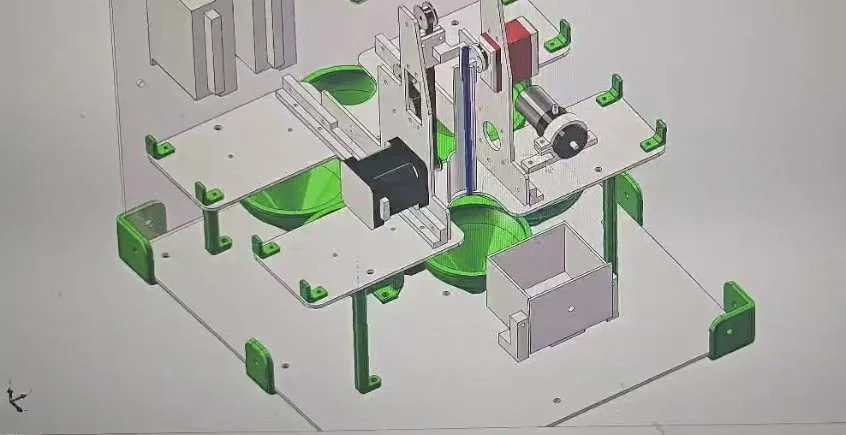
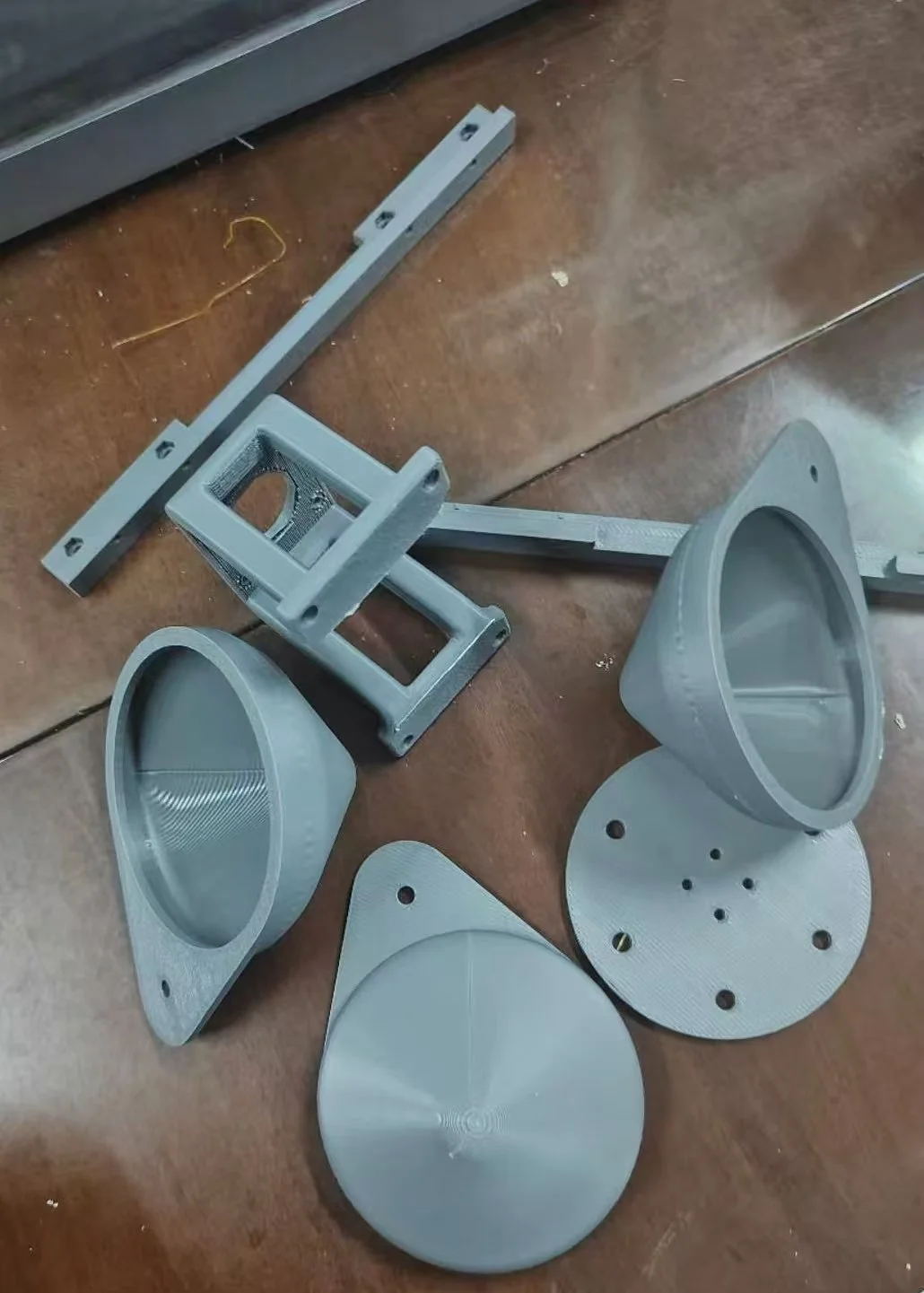
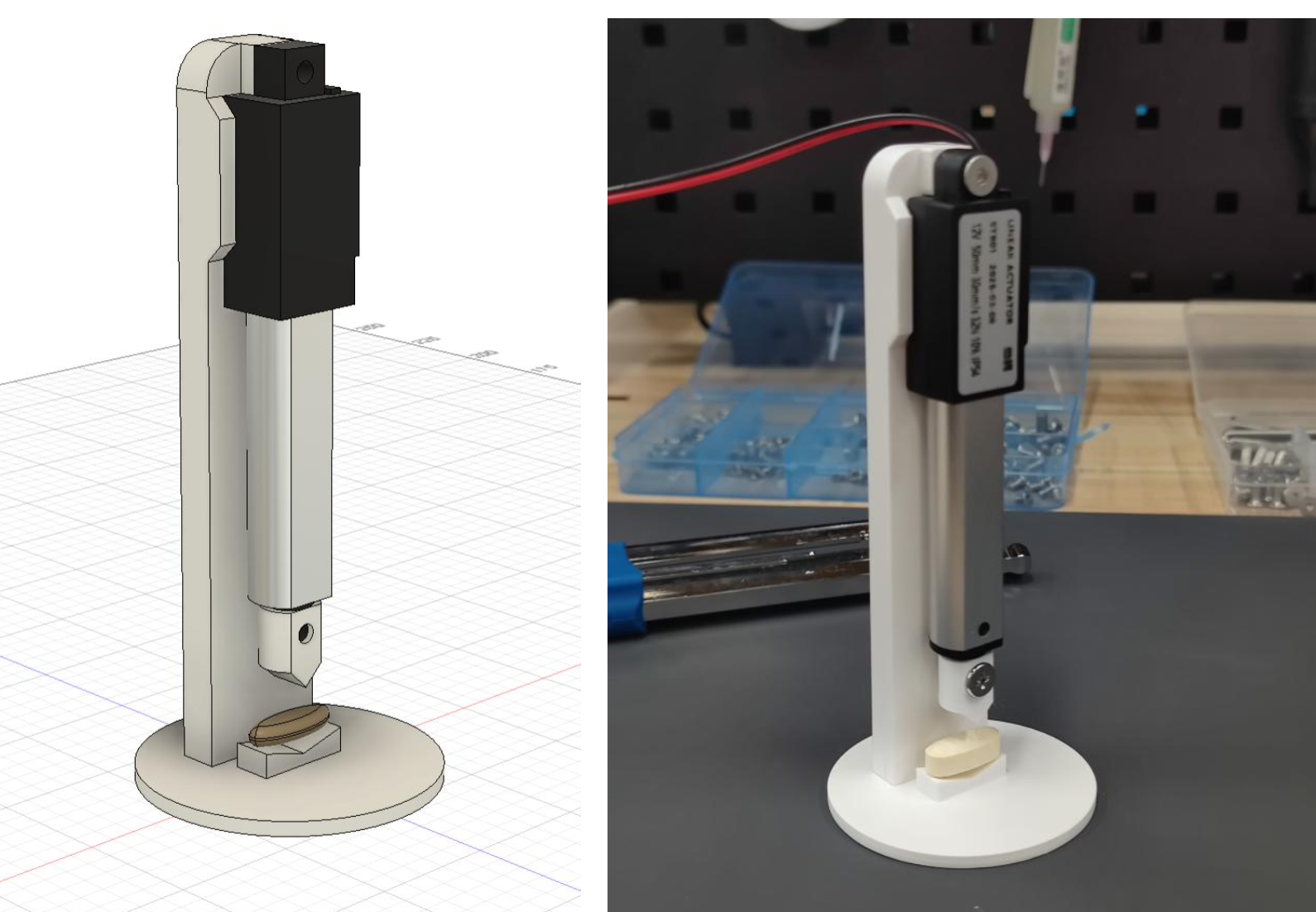
Prototype 1
Prototype 2
-
We conducted home-based user testing with the updated multi-user prototype (consisting of detailed mockups and a semi-functional demonstration model). The testing involved visits to approximately 4-5 households over a period of one and a half weeks. Participants were asked to interact with the device under observation, and detailed notes were recorded throughout the process.
-
The multi-user functionality demonstrated generally positive results. Participants successfully understood the conceptual framework, and households with multiple elderly members expressed interest in the feature.
-
Issue: A minimum of 2 participants (possibly more) reported difficulty reading the "Morning/Lunch/Evening" labels on the daily medication boxes.
While text size appeared adequate under office lighting conditions, real-world usage conditions proved more challenging.
Solution:Tactile/raised texture patterns were added to each compartment to enable tactile identification
Label size was increased and contrast was enhanced (yellow text on black background) These modifications are intended to address low-light usage scenarios and improve accessibility for users with visual impairments. -
Issue: In multi-user households, caregivers reported experiencing notification fatigue from excessive alerts.
Solution: The notification system was modified to deliver a single daily summary message rather than individual dose alerts
Immediate alerts are reserved for significantly overdue medications (2+ hours delay) User settings were implemented to allow classification of medications by urgency level: Critical medications (e.g., cardiac medications) trigger immediate alerts
Non-critical medications (e.g., vitamins) are included only in the daily summary -
Issue: Confusion was observed during the medication refilling process, particularly regarding user-specific compartment identification.
Solution: A confirmation screen displaying the user's name and photograph was added to the scanning initiation process
Visual indicators (color changes or similar cues) are being developed to indicate which user profile is currently active

Questions
What did you find out about the elderly during the development of this product ?
Our initial understanding was that elderly individuals would have a wealth of life experience and knowledge, particularly regarding values, medication management, and healthy habits. However, many elderly people in Hong Kong seem to resist this understanding. During the interview process we found that many elderly people are resistant to taking medication due to a variety of reasons. Mainly, many of our society’s older adults despise taking medication due to it being a constant reminder of their illness and mortality. By diminishing the time needed to spend worrying about medication, dosage and dosage time, we hope that older adults will not only be able to accurately take their medication but also mitigate the resistant of taking their medication.
What were some challenges/ bottlenecks you faced during this project?
One of the main struggles we had was the size of the pill. As many of you know, the pills that elderly individuals often have to take comes in different shapes and sizes. So our main design challenge is how do we figure out a universal system that can accommodate the various sizes of the pills, so that the user experience can be as simple as possible. Another challenge we faced was the limited time. We were unable to make some parts of our prototype in house, so we had to order parts on line, which took a while. This gave us insight into managing the supply chain of this product.
How do you see this project/ current prototype in the future?
This is a product we all have interest in pursuing, and there certainly many hopes we have for this product to evolve in the future.
The first step is to create a fully working prototype. Currently, we only have a prototype that is fit for demonstration, we hope to create a fully functional solution next. To achieve this, we must address the core problem. For instance, we aim to create a genuine universal solution that can accommodate tools of various sizes, while also considering how we can effectively integrate them.
We are looking at existing methods of dispensing medications from pharmacies as part of the broader vision. I believe I can contribute to this vision. We've already discussed collaborating with private clinics to establish mandatory standards for pill dispensing services for users.
Our initial focus will be on partnerships with private clinics, and then we'll expand our scope to include hospitals and pharmaceutical clinics. Our goal is to set a new standard in the industry for pill dispensary and gain a first-mover advantage to outpace competitors.